Tiered Incentive Models Reshaping Accumulator Tactics on Soccer and Racing Platforms
Elena Koch · Aug 27, 2026
Tiered Incentive Models Reshaping Accumulator Tactics on Soccer and Racing Platforms
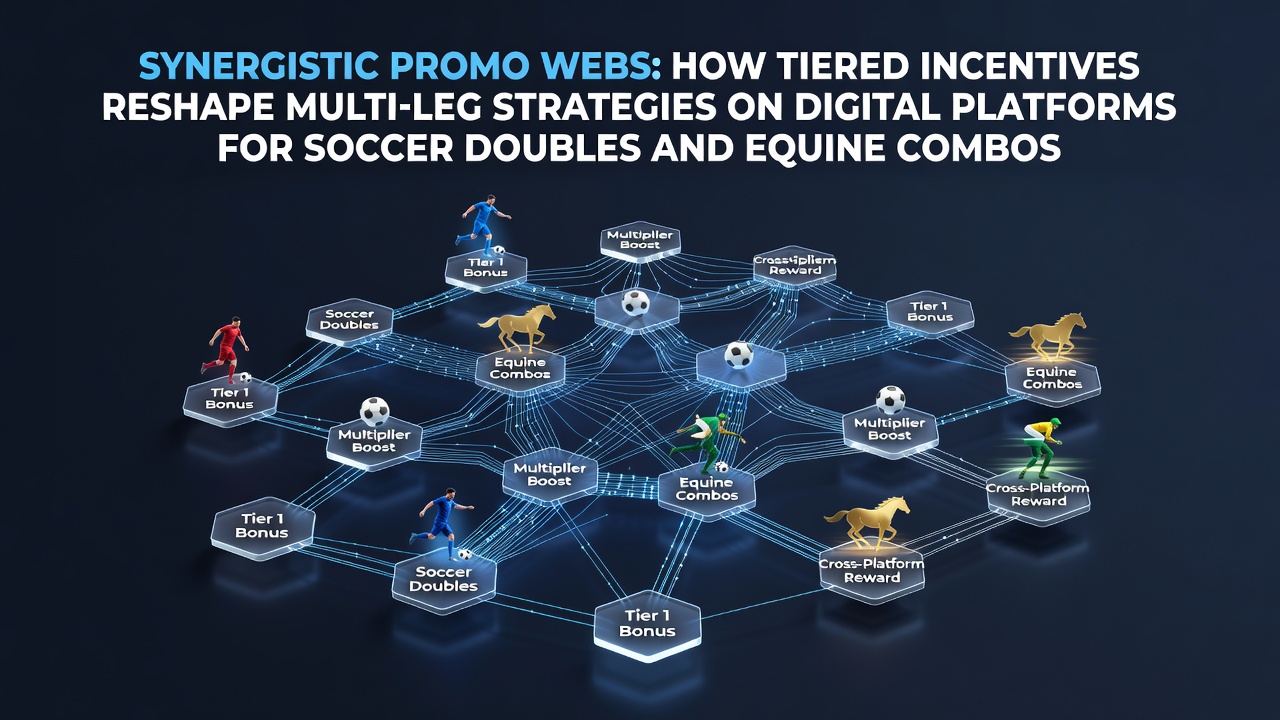
Digital betting platforms have developed layered reward systems that connect multiple promotional tiers with accumulator formats such as soccer doubles and equine combinations, and these structures alter how participants approach risk allocation across consecutive selections. Data from industry analyses indicate that operators segment bonuses by stake volume, leg count, and payout thresholds, which creates pathways where smaller initial wagers unlock higher multipliers when additional legs succeed. Observers note that such mechanics encourage users to extend selections into doubles rather than single bets because the cumulative reward scales with each confirmed outcome.
Mechanics of Tiered Reward Layers
Platforms organize incentives into progressive bands where a base cashback rate applies to the first leg while subsequent legs trigger incremental uplifts that reach maximum levels only after all conditions clear. Researchers tracking platform data across 2025 and into August 2026 report that operators adjust these bands quarterly, often aligning new tiers with major tournament schedules or racing festivals. This adjustment pattern allows the systems to respond to participation spikes without altering core odds, and participants who monitor the published schedules can time their doubles and combinations to coincide with active higher bands.
Take one operator that introduced a three-tier structure in early 2026 where the top band required a minimum four-leg ticket yet delivered a 25 percent bonus on returns for qualifying soccer doubles and equine combos. Figures reveal that the average stake size on qualifying tickets rose during the promotion window while single-bet volume remained stable, suggesting the tier acted as a filter that concentrated activity on multi-leg formats.
Strategic Adjustments in Soccer Doubles
Users constructing soccer doubles face the choice between selecting correlated fixtures for higher combined odds or spreading selections across unrelated matches to reduce variance, and tiered incentives shift this calculus by attaching extra value to successful completion of both legs. Studies from academic research groups show that when a second-tier bonus activates only after the second leg settles, participants adjust stake distribution to protect the initial outlay while still capturing the uplift. Platforms further reinforce this behavior through in-app prompts that display projected bonus amounts once the first leg clears, guiding real-time decisions on whether to cash out or hold through the remaining fixture.
Equine Combination Patterns
Equine combos follow similar logic yet incorporate additional variables such as distance, ground conditions, and trainer form that influence leg selection. Data indicates that tiered promotions on racing platforms often weight the final leg more heavily, so a participant who reaches the top reward band receives amplified returns on the longer-priced horse. One study published by a European gaming research institute found that average combination ticket lengths increased by 18 percent during periods when the uppermost tier required exactly three legs, demonstrating that users adapted their equine strategies to match the incentive boundary.
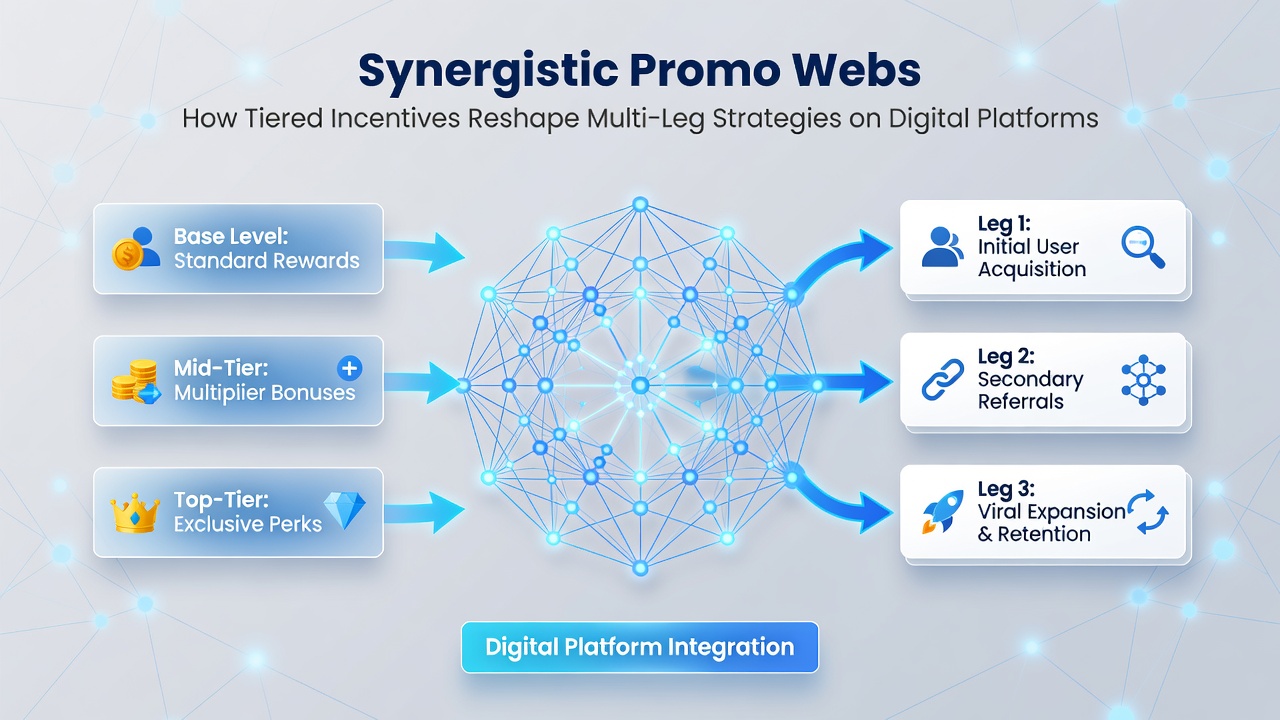
Operators also integrate cash-out options that interact with the tier structure, allowing early settlement at reduced bonus levels when the first leg of a double succeeds but the second appears uncertain. This feature lets participants lock in partial gains without forfeiting the entire promotional layer, and platform logs show elevated cash-out usage on days when mid-tier thresholds sit just above typical double odds.
Platform Data and Participation Trends
Reports compiled by international industry bodies such as the Australian Gambling Research Centre highlight that multi-leg activity on mobile apps rises when operators publish clear tier progress trackers. The same reports note that transparent display of required legs and bonus percentages correlates with higher completion rates on doubles and combinations. In parallel, a Canadian regulatory overview from 2026 documented that platforms offering tiered equine promos recorded steady growth in average ticket value through the first half of the year, particularly around major festival meetings.
Yet the interaction between tiers and settlement speed creates another variable, because delayed payout on one leg can push a ticket across the calendar boundary of an active promotion. Observers tracking these patterns find that operators mitigate this by extending tier validity windows during peak racing and soccer periods, thereby preserving the incentive for users who build longer combinations.
Conclusion
Tiered incentive webs operate by linking reward bands to the successful resolution of multiple legs, and this linkage produces measurable shifts in how doubles and equine combos are assembled on digital platforms. Platform records, academic studies, and regulatory summaries together demonstrate that participants respond to the published thresholds by adjusting selection criteria, stake sizing, and timing. As August 2026 data continues to accumulate, the patterns indicate that these structures remain a core element of accumulator strategy across soccer and racing markets.