Synchronizing Live Streams with Dynamic Betting Adjustments in Regulated Jurisdictions
Alex Berger · Aug 22, 2026
Synchronizing Live Streams with Dynamic Betting Adjustments in Regulated Jurisdictions
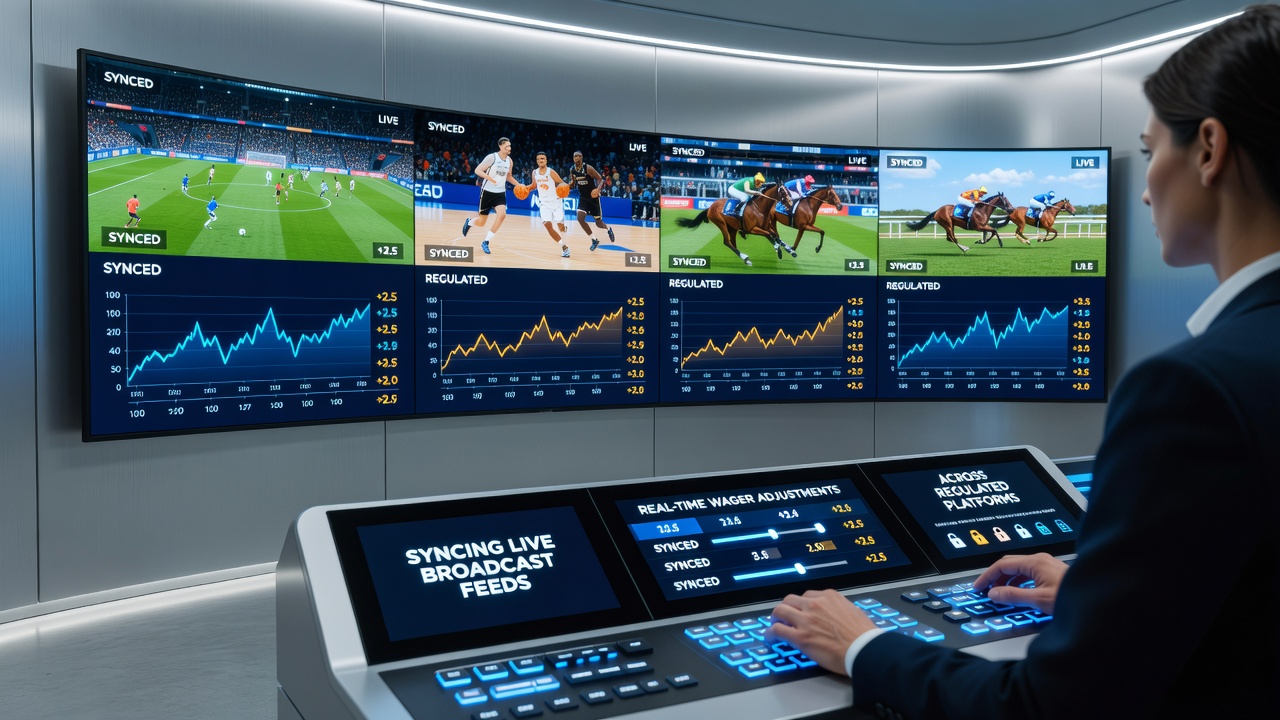
Regulated platforms across multiple jurisdictions now rely on precise synchronization between live broadcast feeds and wager adjustment engines to maintain compliance while handling rapid market shifts. Data from industry reports shows these systems process thousands of updates per minute during major events, linking video timestamps directly to odds engines through low-latency protocols. Operators in the United States and Australia have adopted similar architectures since early 2025, with further refinements reported through August 2026.
Core Technical Mechanisms
Live feeds arrive via dedicated content delivery networks that embed metadata tags at the source, allowing wager platforms to match each frame or segment to corresponding market states. When a goal occurs in a soccer match or a horse crosses the finish line, the feed triggers an API call that recalculates odds across all active bets within milliseconds. Studies from the American Gaming Association indicate that latency below 200 milliseconds keeps adjustments aligned with regulatory requirements for transparency in several states.
Engineers achieve this through timestamp synchronization layers that compare broadcast clocks against internal servers using GPS-derived time sources. Discrepancies trigger automatic reconciliation routines before any wager update reaches the player interface. One implementation documented in a 2025 technical paper from a Canadian research consortium demonstrated that combining WebRTC streams with edge computing nodes reduced desync incidents by 78 percent during high-volume periods.
Regulatory Frameworks in Different Regions
State-level regulators in the US require operators to maintain audit logs that capture every feed-to-wager linkage, including exact timestamps and adjustment rationales. Similar rules appear in Australian state licensing conditions, where independent testing labs verify that no wager changes occur outside verified broadcast events. European frameworks, particularly those managed by Malta's gaming authority, emphasize data integrity checks that run continuously rather than at fixed intervals.
These requirements push platforms to deploy redundant verification servers that cross-check feed integrity against multiple sources before allowing adjustments. Observers note that platforms operating in more than one jurisdiction often maintain separate synchronization stacks to satisfy each regulator's data-retention mandates without cross-contamination of records.
Implementation Examples Across Markets
Take one operator licensed in New Jersey that integrated its soccer broadcast partner’s feed with an in-house odds engine in 2025. The system now handles simultaneous adjustments for over 40 concurrent markets, updating spreads and totals the moment official play data confirms an event. Australian operators running thoroughbred racing platforms have reported comparable setups, where race footage triggers automatic dividend recalculations that comply with local totalisator rules.
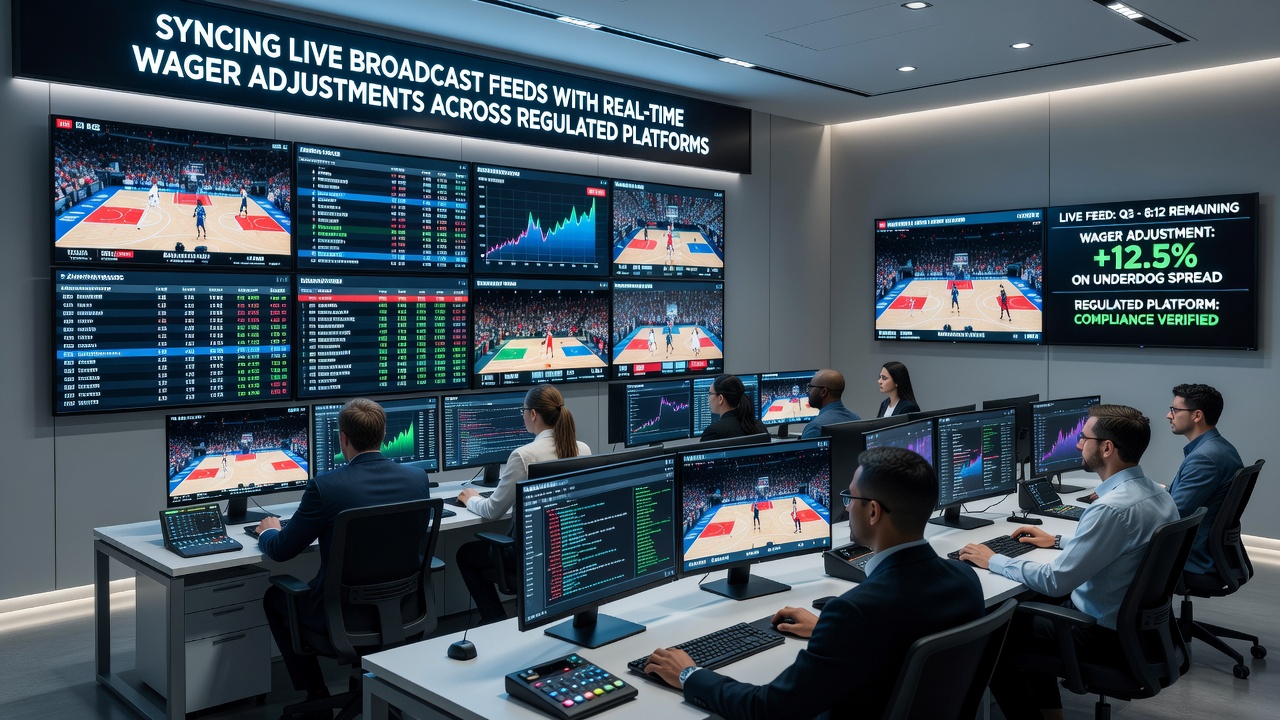
What's interesting is how these integrations extend beyond traditional sports. Some platforms now link live casino streams to side-bet markets, adjusting payouts the instant a card is revealed on camera. Research published by the University of Nevada, Reno gaming laboratory in mid-2026 highlighted that such extensions require additional checksum layers to prevent tampering with the visual feed itself.
Operational Challenges and Solutions
Network variability remains a persistent issue, especially when international feeds cross multiple carriers. Platforms counter this by maintaining fallback feeds from alternate camera positions and satellite uplinks. When primary streams drop, the system switches sources while preserving the last verified timestamp to avoid erroneous wager adjustments. Figures released by the Canadian Gaming Association show that operators using these fallback mechanisms experienced 92 percent fewer service interruptions during peak summer events in 2026.
Security protocols add another layer of complexity. Encrypted tunnels carry both the video and the control signals, yet regulators demand that monitoring staff can still inspect the raw data streams. Solutions involve split-key encryption schemes that allow authorized third-party auditors access without exposing the full feed to external parties.
Future Developments
Emerging standards from international standards bodies point toward greater use of AI-assisted anomaly detection that flags potential desyncs before they affect wagers. Several platforms began pilot programs in August 2026 that combine computer vision with traditional timestamp matching to verify that on-screen events match the data feeds used for adjustments. Early results suggest these hybrids could further tighten compliance margins across borders.
Conclusion
Platforms continue refining the connection between live broadcast feeds and real-time wager systems under evolving regulatory scrutiny. Data from multiple jurisdictions demonstrates steady progress in reducing latency while preserving auditability, with operators drawing on both technical innovations and cross-border compliance practices to sustain reliable service through 2026 and beyond.