Payment Gateway Advances Fueling Instant Cycles in Soccer League and Racecourse Wagering Platforms
Elena Koch · Aug 20, 2026
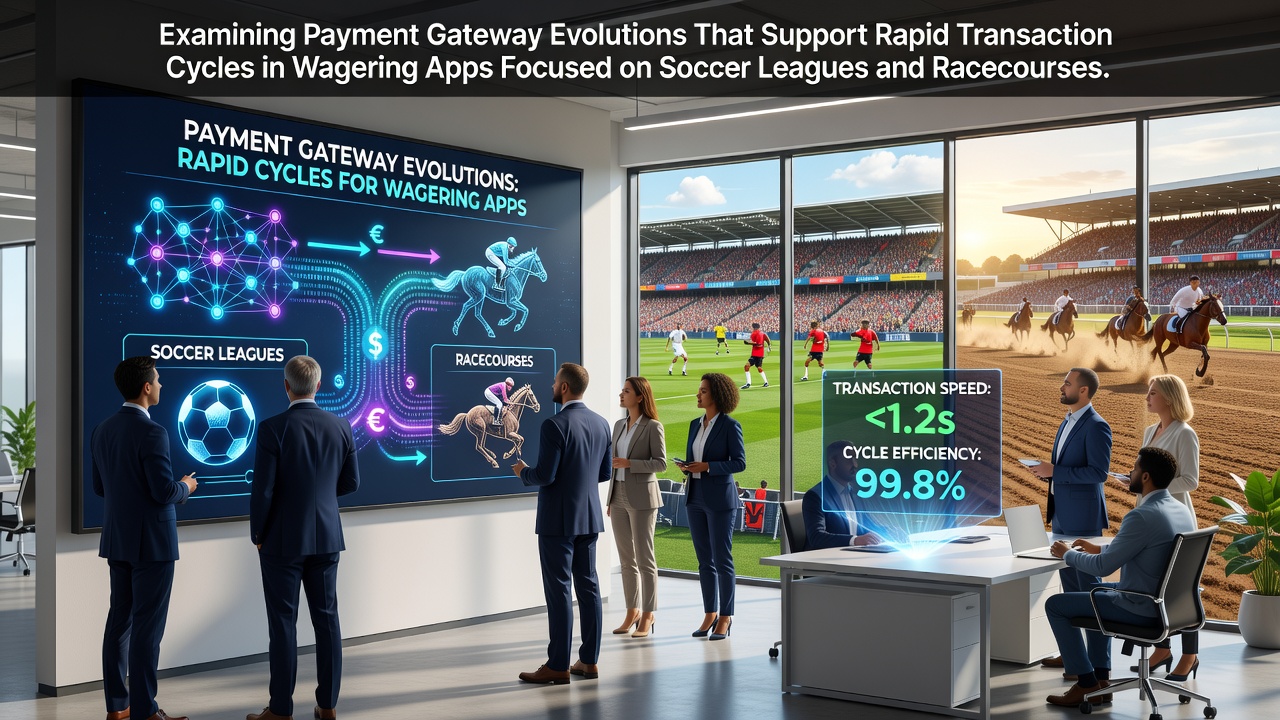
Payment Gateway Advances Fueling Instant Cycles in Soccer League and Racecourse Wagering Platforms
Payment gateways have transformed how transactions move through mobile applications dedicated to soccer leagues and racecourse events, with systems now handling authorization and settlement in fractions of a second rather than minutes. Developers integrate these gateways directly into app architectures so that deposits trigger immediately after a user selects a match or race, while withdrawals process without the delays that once defined traditional banking routes. Research from industry analysts shows transaction volumes in these verticals climbed steadily through 2025 and into August 2026 as platforms adopted real-time rails such as open banking and tokenized card networks.
Core Components Driving Speed in Modern Gateways
Modern gateways rely on layered application programming interfaces that connect betting apps to multiple acquirers at once, allowing the system to route each request through the fastest available path. When a bettor places a wager on a Premier League fixture or a stakes race at Ascot, the gateway evaluates network latency, currency conversion needs, and regulatory compliance checks in parallel before confirming the transaction. This parallel processing replaces the sequential checks that once added seconds or minutes to each cycle, and data indicates average approval times now sit below 800 milliseconds for most card-based and e-wallet flows.
Tokenization further reduces friction because stored credentials never travel across networks during repeat sessions, cutting both security overhead and processing steps. Observers note that racecourse apps in particular benefit from this approach since bettors often adjust stakes multiple times in the final minutes before a race starts, and any delay risks missing the window entirely.
Adaptations for Soccer In-Play and Live Racing Markets
Soccer in-play markets generate transaction spikes around goals, substitutions, and halftime adjustments, requiring gateways to scale capacity without introducing queue times. Platforms deploy edge computing nodes near major data centers so that requests from users in Europe or Asia reach the payment processor with minimal hops. Racecourse applications face similar bursts during photo finishes or late scratches, and the same distributed architecture supports both verticals without separate infrastructure stacks.
Carrier billing integrations have expanded in regions where mobile data plans dominate, letting users charge bets directly to their phone accounts and settle through monthly statements. This method bypasses card networks entirely for smaller wagers, and figures reveal adoption rates among younger demographics reached 22 percent in select markets by mid-2026.
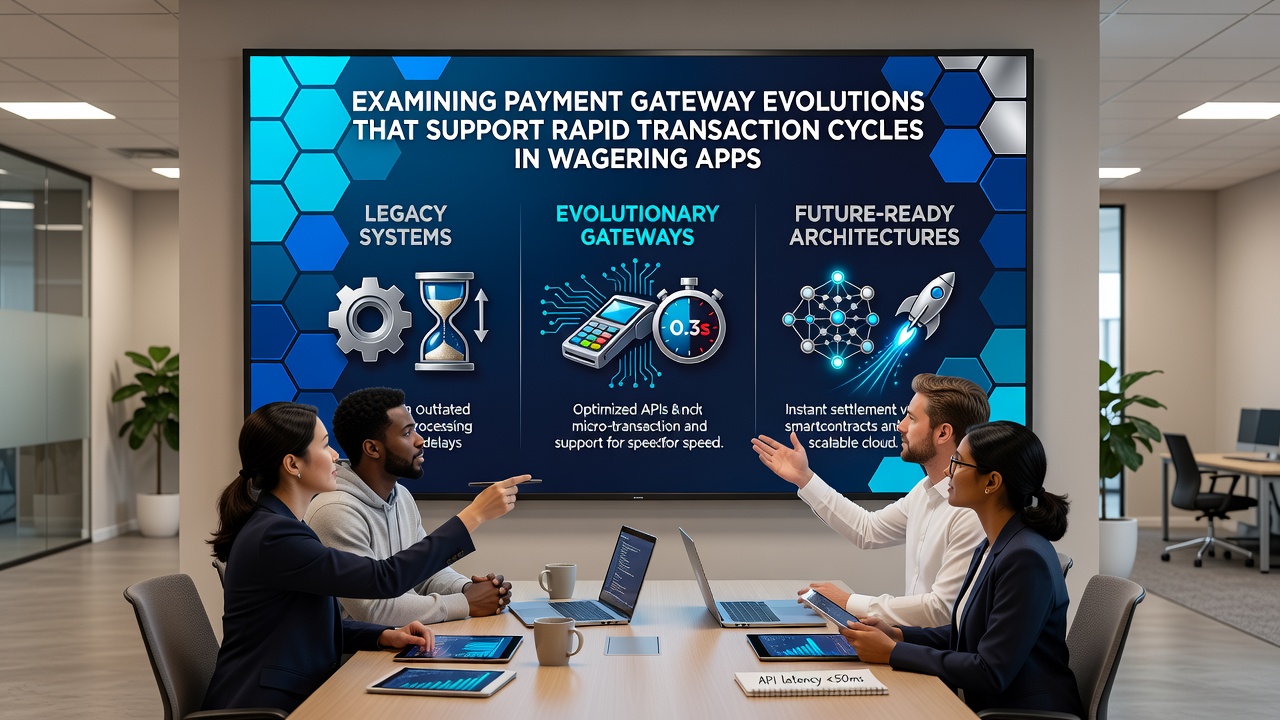
Security Protocols That Maintain Pace Without Sacrificing Compliance
Real-time fraud detection now operates through machine learning models that score each transaction against historical patterns before the gateway authorizes funds movement. These models run on dedicated hardware accelerators so that risk scoring completes inside the same sub-second window as the payment request itself. Regulatory frameworks in multiple jurisdictions require audit logs for every rapid cycle, yet the logging occurs asynchronously after confirmation reaches the user, preserving perceived speed.
Two-factor authentication has shifted toward biometric prompts embedded in the device operating system, eliminating the need for separate SMS delays that previously interrupted the flow. A study published by researchers at the University of Nevada, Reno found that biometric flows reduced abandonment rates by 14 percent in live betting scenarios compared with code-based verification.
Regional Infrastructure Supporting Global App Rollouts
Payment service providers maintain localized acquiring licenses so that an app serving both English Premier League markets and Australian thoroughbred meetings can settle in local currencies without cross-border delays. The New Jersey Division of Gaming Enforcement publishes quarterly metrics showing that licensed operators using multi-rail gateways achieve settlement times averaging 1.2 seconds for withdrawals, a benchmark that many international platforms now target. Similarly, the Australian Capital Territory Gambling and Racing Commission reports that racecourse apps incorporating instant bank transfer rails saw a 31 percent rise in repeat session frequency during the 2025-2026 season.
These infrastructure choices allow developers to maintain a single codebase while routing transactions through region-specific endpoints that already satisfy local speed and compliance requirements.
Conclusion
Payment gateway evolution continues to center on reducing every millisecond between user intent and confirmed transaction across soccer and racecourse applications. The combination of parallel processing, tokenization, biometric verification, and distributed infrastructure has produced measurable gains in both volume capacity and user retention. As platforms refine these systems further, the focus remains on sustaining sub-second cycles while meeting expanding regulatory expectations worldwide.