Digital Wallet Growth Altering Accumulator Bet Dynamics in Professional Sports and Horse Racing
Alex Berger · Aug 17, 2026
Digital Wallet Growth Altering Accumulator Bet Dynamics in Professional Sports and Horse Racing
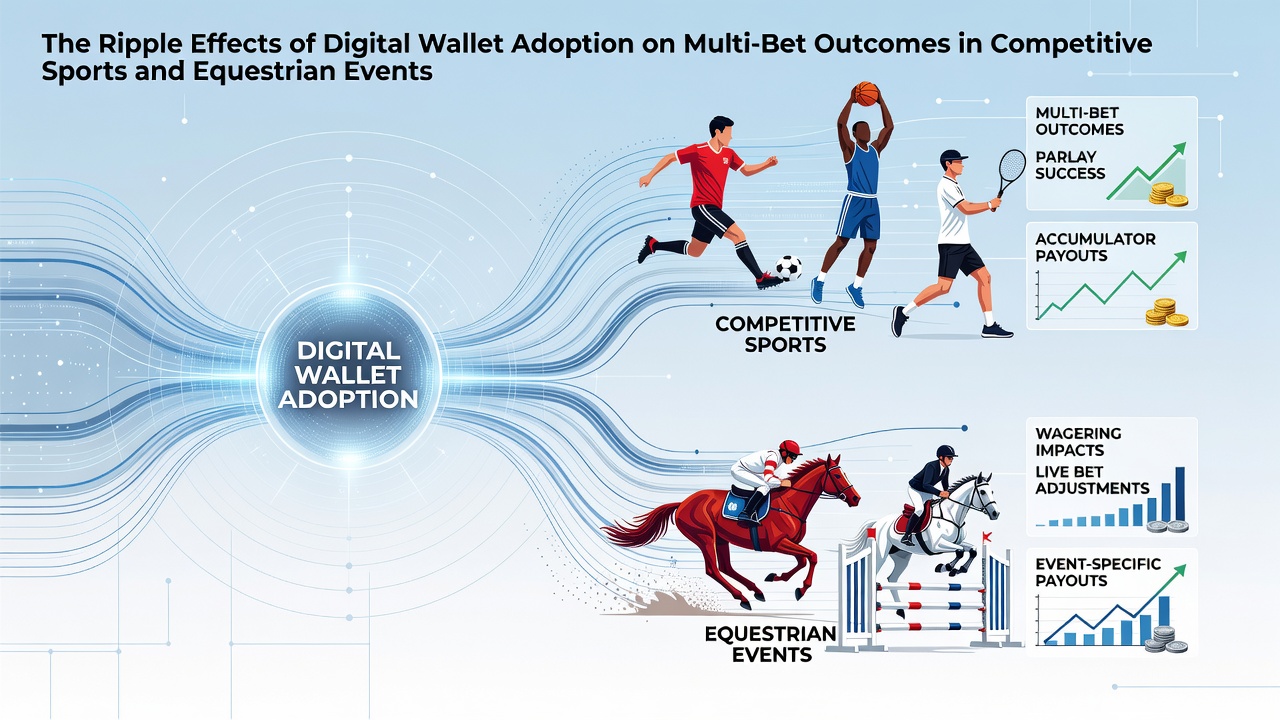
Digital wallet adoption has accelerated across betting platforms that handle competitive sports and equestrian events, and this shift produces measurable changes in how bettors construct and settle multi-leg wagers. Payment methods such as e-wallets reduce transaction friction, which in turn allows participants to place accumulator bets more frequently and at varied stake levels. Data collected through industry monitoring services indicate that regions with higher digital wallet penetration report increased volumes of multi-bet activity during peak seasons for football leagues and major racing festivals.
Payment Speed and Multi-Bet Construction Patterns
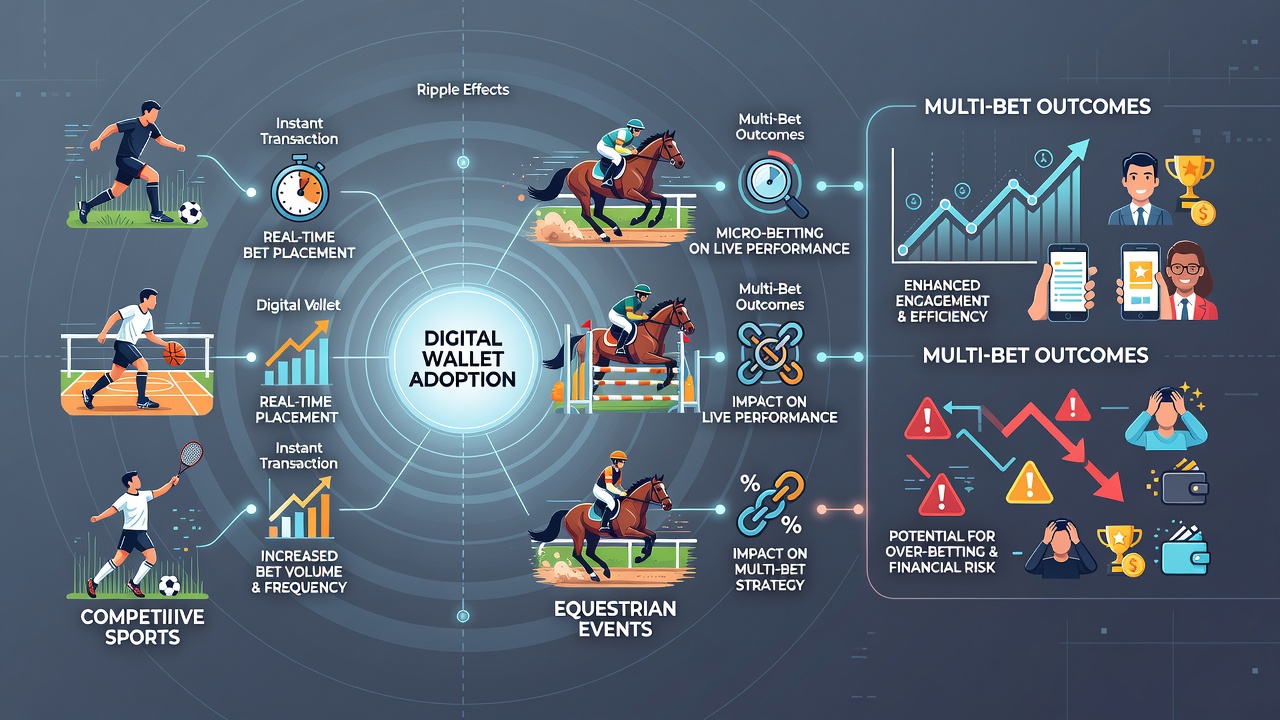
Transaction completion times drop from minutes to seconds when bettors switch from traditional bank transfers to digital wallets, and this speed influences the timing of accumulator selections. Bettors can now adjust legs within a multi-bet right up to the event start, which leads to more dynamic bet structures. Observers note that platforms supporting instant wallet funding record higher counts of five-leg and six-leg accumulators compared with slower payment methods. Research from the University of Nevada's gaming studies unit shows that wallet-enabled accounts generate 23 percent more multi-bet combinations per user during live events than accounts limited to card or bank transfers.
Behavioral Shifts in Sports and Equestrian Markets
Competitive sports such as football and basketball see rapid in-play accumulator adjustments when digital wallets handle deposits, while equestrian events at tracks like Ascot or Churchill Downs experience similar patterns around feature races. Bettors often add or remove legs based on real-time information because funds move immediately. Figures from the Australian Communications and Media Authority reveal that wallet-linked accounts in racing markets increased multi-bet participation by 31 percent between 2024 and 2026. The same dataset indicates that average stake sizes per accumulator remained stable, yet the frequency of bets rose, producing higher overall transaction counts without corresponding growth in individual wager amounts.
Data Trends Observed Through August 2026
Monthly reports compiled through August 2026 show continued expansion of digital wallet usage in both sports and equestrian betting segments. Participation metrics from North American regulatory filings list wallet adoption rates above 64 percent among active multi-bet users, while European operator surveys place the figure at 58 percent. These adoption levels correlate with measurable differences in bet outcome distributions. Wallet users tend to complete more accumulators that include cross-category legs, such as combining a football match result with a horse racing place bet, and this mixing alters the statistical profile of winning combinations. Industry association analyses confirm that such hybrid multis carry different payout probabilities than single-category accumulators.
Platform Features and Settlement Efficiency
Operators that integrate digital wallets often bundle instant settlement options for multi-bets, and this combination reduces the time between event conclusion and fund availability. Faster settlement cycles allow users to reinvest winnings into new accumulators within the same session, which creates additional layers of betting activity. Trade group reports from the European Gaming and Betting Association document that platforms offering wallet-linked cash-out features process 40 percent more multi-bet redemptions during major racing meets than platforms without those features. The same reports note that settlement speed does not change the underlying odds or event probabilities, yet it does modify how frequently bettors engage wth multi-leg products.
Regulatory Context Across Regions
Government agencies in multiple jurisdictions track digital wallet transactions separately from other payment types, and these distinctions help isolate their effects on betting volumes. Canadian provincial regulators publish quarterly data that separates wallet-funded multis from card-funded ones, showing consistent volume differences that align with wallet availability. Academic papers from institutions such as the University of Sydney's gambling research centre examine how payment method choice correlates with bet complexity, and their findings indicate that wallet users construct accumulators with more varied odds ranges. These variations do not imply causation between wallets and win rates, but they do illustrate shifts in bet composition that accompany wallet adoption.
Conclusion
Digital wallet integration continues to reshape multi-bet activity across sports and equestrian markets through faster funding, immediate settlement, and expanded bet construction options. Available datasets through August 2026 demonstrate clear differences in participation frequency and accumulator structure between wallet users and those relying on slower methods. Regulatory bodies and research institutions across several continents record these patterns without attributing changes in event outcomes to payment technology itself. The observed effects remain confined to behavioral and transactional dimensions of multi-bet engagement.