Automated Contract Systems Optimize Incentive Delivery Across Football and Equine Betting Sectors
Elena Koch · Aug 13, 2026
Automated Contract Systems Optimize Incentive Delivery Across Football and Equine Betting Sectors
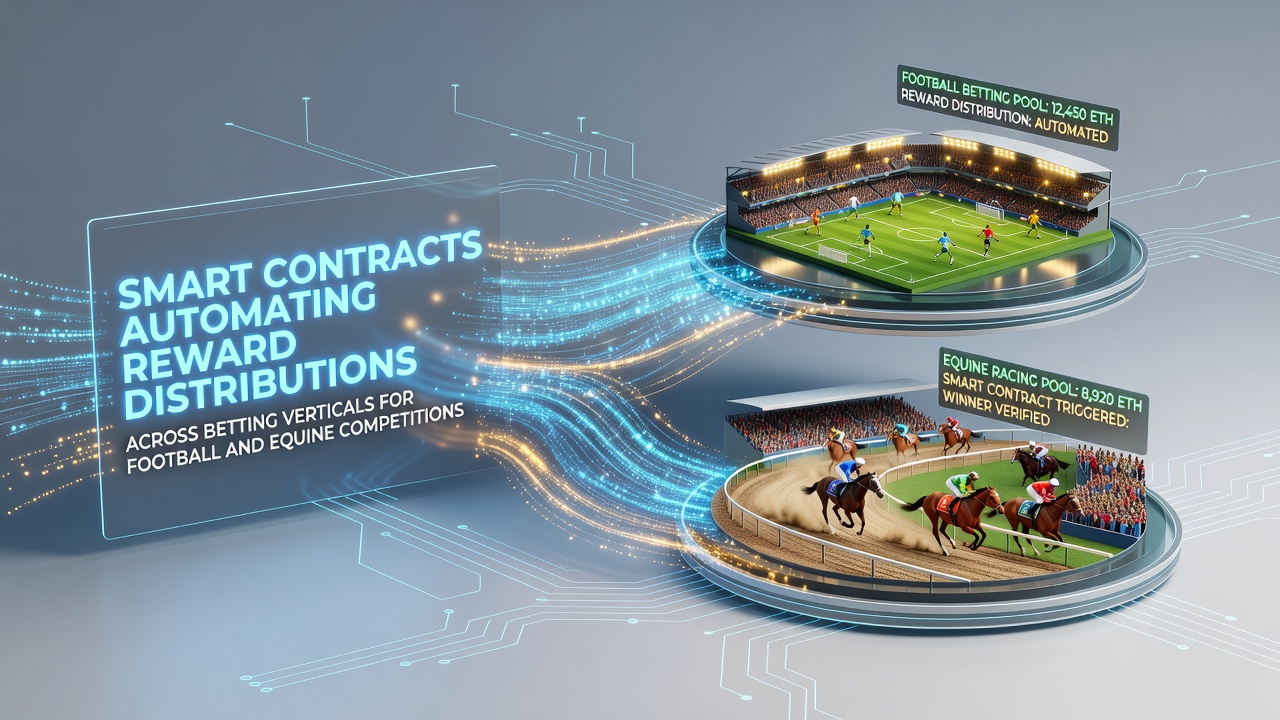
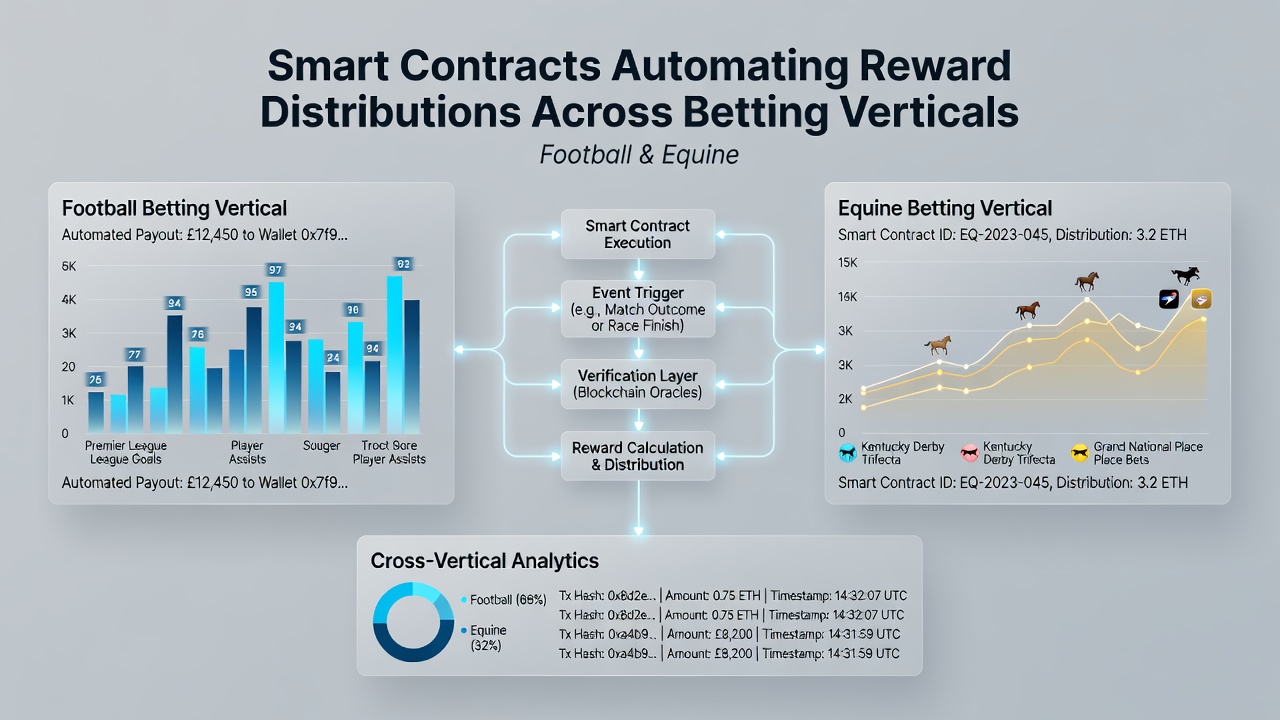
Smart contracts operate as self-executing code on blockchain networks and they handle reward distributions by verifying outcomes then releasing funds without manual intervention in football and equine betting markets. These programs trigger payouts once predefined conditions such as match results or race finishes are confirmed through oracle feeds that pull data from official sources. Observers note that this approach reduces delays that once stretched from days to minutes while lowering administrative overhead for operators managing multiple verticals.
Football betting covers leagues across Europe and South America where accumulators and live wagers generate frequent rewards, whereas equine competitions span events at tracks in the United States, Australia, and the United Kingdom. Data from industry reports shows that platforms integrating smart contracts recorded transaction volumes rising steadily through mid-2026 with August figures reflecting continued adoption among operators seeking faster settlement cycles. Researchers at academic institutions have examined how these systems log every distribution on immutable ledgers which creates transparent audit trails for regulators and participants alike.
Core Mechanics of Smart Contract Deployment
Developers encode rules into contracts that reference external data providers for score verification or finish-line timings and the code executes automatically once consensus is reached among network nodes. In practice this means a winning football accumulator triggers an immediate transfer to the bettor wallet after the final whistle while a horse racing multi receives its share once stewards confirm the placings. Studies conducted by university teams indicate that error rates drop because human entry points disappear from the process adn disputes over timing decrease accordingly.
Operators connect these contracts to existing betting engines through application programming interfaces that feed real-time results into the blockchain layer. This integration allows seamless handling of cross-vertical promotions where a single bonus might apply to both a Premier League goalscorer market and a Group One turf race on the same day. Figures released by the American Gaming Association highlight growing interest among North American platforms that run both sports and racing products and seek unified payout automation.
Applications in Football Markets
Football verticals feature high-frequency events with outcomes determined by goals, corners, and cards which smart contracts process by ingesting data from league-sanctioned feeds. A contract might release loyalty points or cashback to users who correctly predicted three matches in a round and the system updates balances instantly rather than batching payments overnight. Those who manage large affiliate networks report that reward consistency improves because every eligible bettor receives identical treatment coded into the contract terms.
Case examples include operators in Australia who deployed such systems for A-League and international fixtures during the 2025-2026 season with participation metrics climbing as payout speed became a visible feature. The ledger records each distribution with timestamps and wallet addresses which supports compliance checks from oversight bodies in multiple jurisdictions.
Equine Competition Implementations
Equine betting involves variable fields, weather impacts, and steward reviews that can delay traditional settlements yet smart contracts accommodate these variables by waiting for official result declarations before execution. Once a race meeting concludes and results are ratified the contract distributes winnings across win, place, and exotic pools while also allocating any layered bonuses that combine football and racing selections. Research published by European academic groups demonstrates that this method cuts reconciliation time from hours to seconds in controlled test environments.
Platforms running thoroughbred and harness events in Canada and parts of Asia have begun testing these tools with initial rollouts focusing on major festivals where pool sizes justify the development investment. The European Gaming and Betting Association has tracked similar pilots among member firms and notes that transparency gains help address participant questions about bonus eligibility without additional support tickets.
Cross-Vertical Reward Structures
Operators increasingly design promotions that span football and equine products such as combined accumulators or loyalty tiers earned through activity in both areas. Smart contracts manage these layered incentives by checking multiple data sources and releasing unified rewards once all conditions clear. This setup proves useful during periods when major football tournaments overlap with racing carnivals because the code handles simultaneous verifications without manual coordination.
August 2026 saw several platforms expand these features ahead of upcoming league starts and autumn race meetings with transaction logs showing smoother processing during peak volumes. Industry analyses suggest the approach scales effectively because each contract instance operates independently yet shares the same underlying ledger for reporting purposes.
Conclusion
Smart contract adoption continues to reshape reward distribution by embedding verification and transfer logic directly into code that runs across football and equine betting operations. The resulting systems deliver consistent timing, reduced overhead, and verifiable records that support both commercial goals and regulatory requirements. As more platforms integrate these tools the landscape of automated payouts expands while maintaining focus on outcome accuracy drawn from official data sources.