App Transaction Logs Expose Bettor Synchronization of Football Accumulators with Racing Doubles
Elena Koch · Aug 24, 2026
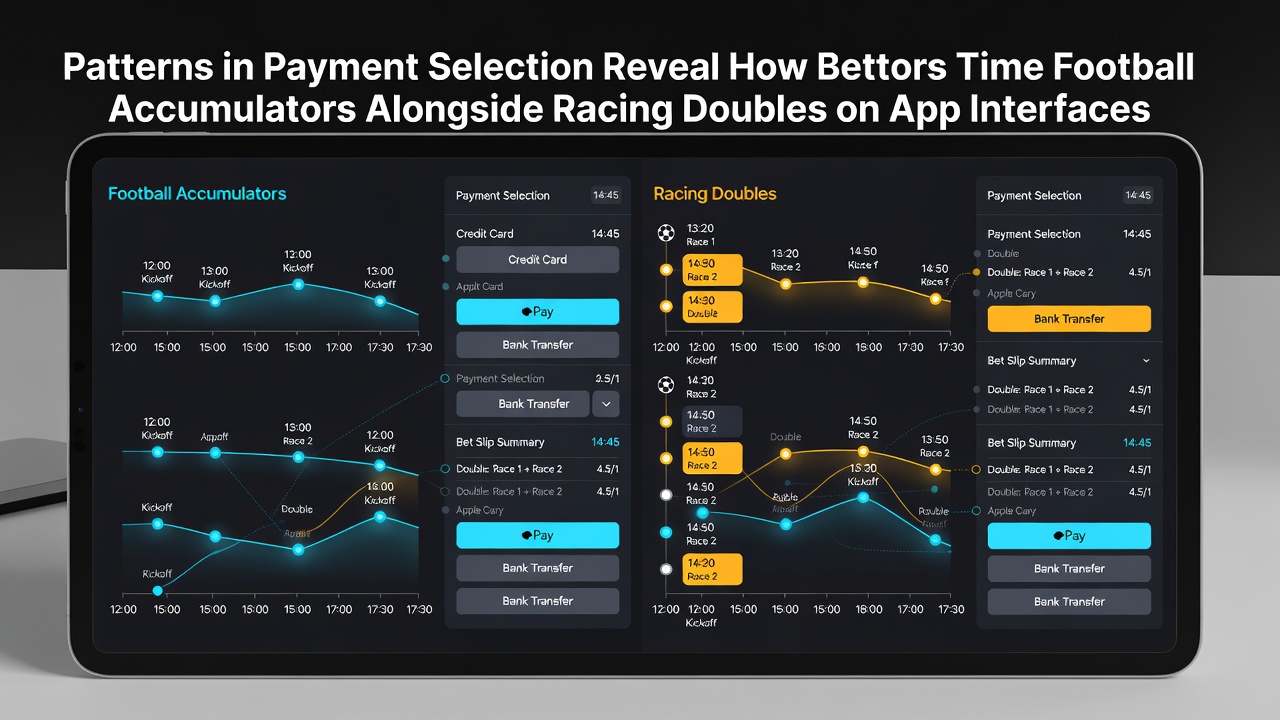
App Transaction Logs Expose Bettor Synchronization of Football Accumulators with Racing Doubles
Data collected from multiple betting platforms reveals consistent patterns in how users choose payment methods when placing combined wagers on football accumulators and horse racing doubles, and these choices often align with specific timing windows during match days and race meetings. Researchers tracking app interactions note that certain e-wallet options appear more frequently during peak evening hours when both football fixtures and evening racing cards overlap, whereas card payments dominate earlier sessions focused on pre-race build-ups.
Payment Method Correlations with Bet Types
Transaction records show that bettors tend to favor instant transfer services for accumulator builds that include multiple football legs, and the same services see increased use when users add racing doubles to the same session. Studies from the American Gaming Association indicate that debit card selections rise notably when users finalize bets within 30 minutes of a race start, while e-wallet activity clusters around accumulator confirmations that coincide with live football updates. These distinctions emerge across datasets gathered through August 2026, where platform logs captured over several months demonstrate clear separation between payment flows tied to each sport.
Observers tracking user flows report that Apple Pay and similar carrier-linked options register higher volumes when bettors execute rapid double placements on morning racing cards, and the same methods appear in sequences where football accumulators receive later adjustments. One analysis of app session data found that users completing both bet types within a single login often switch payment types midway, suggesting deliberate separation of funding sources for different wager structures.
Timing Patterns Across App Sessions
Platform analytics demonstrate that accumulator placements on football markets frequently precede racing double entries by intervals ranging from 15 to 45 minutes, and payment selections shift accordingly during these transitions. When users initiate sessions in the afternoon, card-based deposits align with initial football selections, while later e-wallet top-ups coincide with racing market entries. Figures from industry monitoring groups reveal this sequencing holds across thousands of sessions, particularly on weekends when both sports feature overlapping schedules.
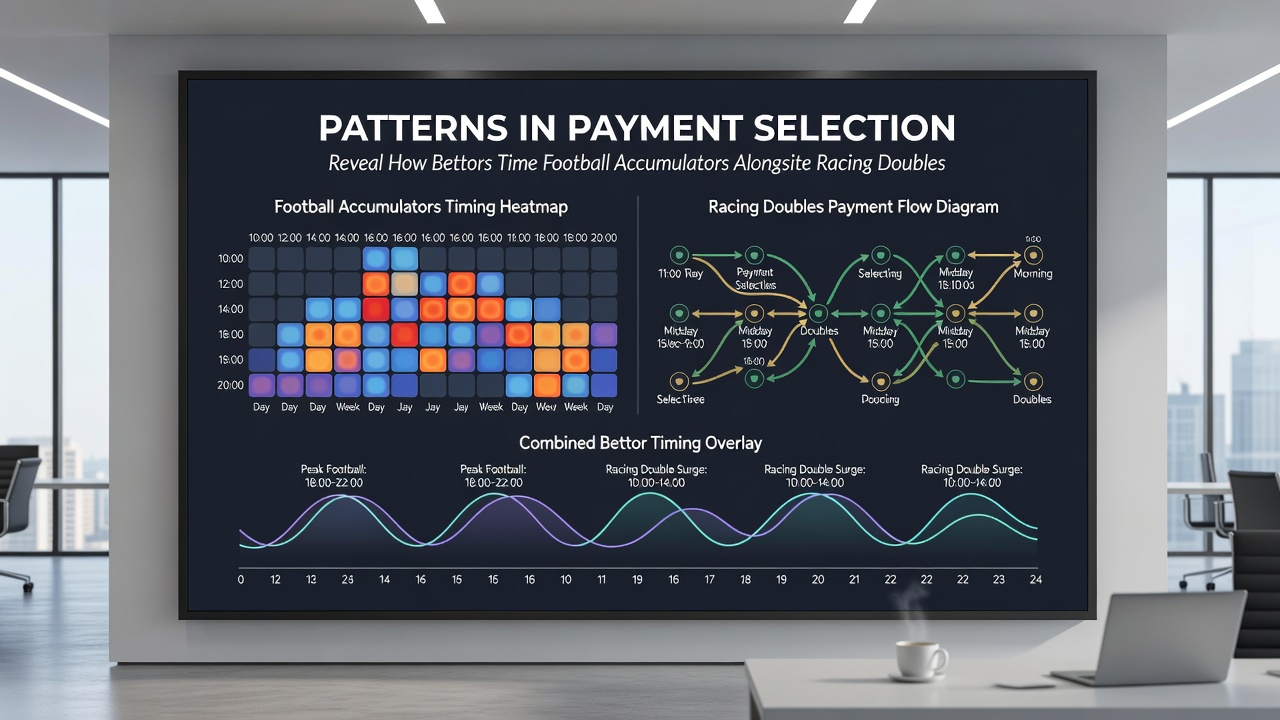
Researchers examining timestamp data note that users often complete football accumulator confirmations first, then move to racing doubles using a different payment rail, and this pattern repeats across multiple account types. In August 2026 records, the average gap between these actions narrowed during major race festivals, yet the payment method distinction remained consistent. Those analyzing interface interactions point out that in-app prompts for payment reminders trigger more frequently after the first bet type completes, potentially guiding the second selection.
Interface Design Influences on Selection Order
App layouts that present payment options alongside bet builders appear to shape the order in which users finalize accumulators versus doubles, according to usage metrics compiled by research teams. When football markets load first in the interface, payment selections for accumulators occur earlier in the session, and racing double entries follow with alternative funding methods. Data compiled by the Canadian Centre on Substance Use and Addiction shows similar sequencing in cross-sport sessions, where interface order correlates with payment rail choices rather than bet amount or odds value.
Users navigating combined markets exhibit repeatable behaviors, such as selecting stored card details for initial football legs before switching to digital wallets for racing components. These transitions occur without apparent interruption in session continuity, and logs indicate the switch happens most often after the accumulator stake locks in. Reports from university-led studies on digital wagering interfaces confirm that visual separation of bet types within the app encourages distinct payment paths, and this holds steady across different device types.
Regional Data Variations in August 2026
Transaction volumes gathered during August 2026 highlight differences in payment timing between regions with heavy football and racing overlap, and analysts attribute some variation to local event scheduling rather than user preference alone. Sessions originating from areas with evening race meetings show tighter clustering of e-wallet use for doubles immediately following accumulator placements, whereas daytime-heavy regions display more staggered patterns. Industry reports note that these regional distinctions appear in aggregate logs without altering the core payment method split observed globally.
Further examination of session paths indicates that bettors returning to the app after initial placements often reuse the same payment method for the second sport when the interval exceeds one hour, yet switch rails when acting within the same active session. This behavior surfaces consistently in datasets covering both major football weekends and prominent racing festivals.
Conclusion
App transaction patterns continue to illustrate how payment selections align with the sequencing of football accumulators and racing doubles, and datasets through August 2026 provide ongoing evidence of these structured approaches. Continued monitoring of interface interactions offers further insight into the mechanisms driving these choices across user groups.